1. What is a BGC Wallet?
A BGC wallet is a specialized digital interface designed to interact with BGC tokens on the blockchain. Because BGC operates within an EVM (Ethereum Virtual Machine) compatible environment, it requires a wallet that can handle complex smart contracts and decentralized protocols seamlessly.
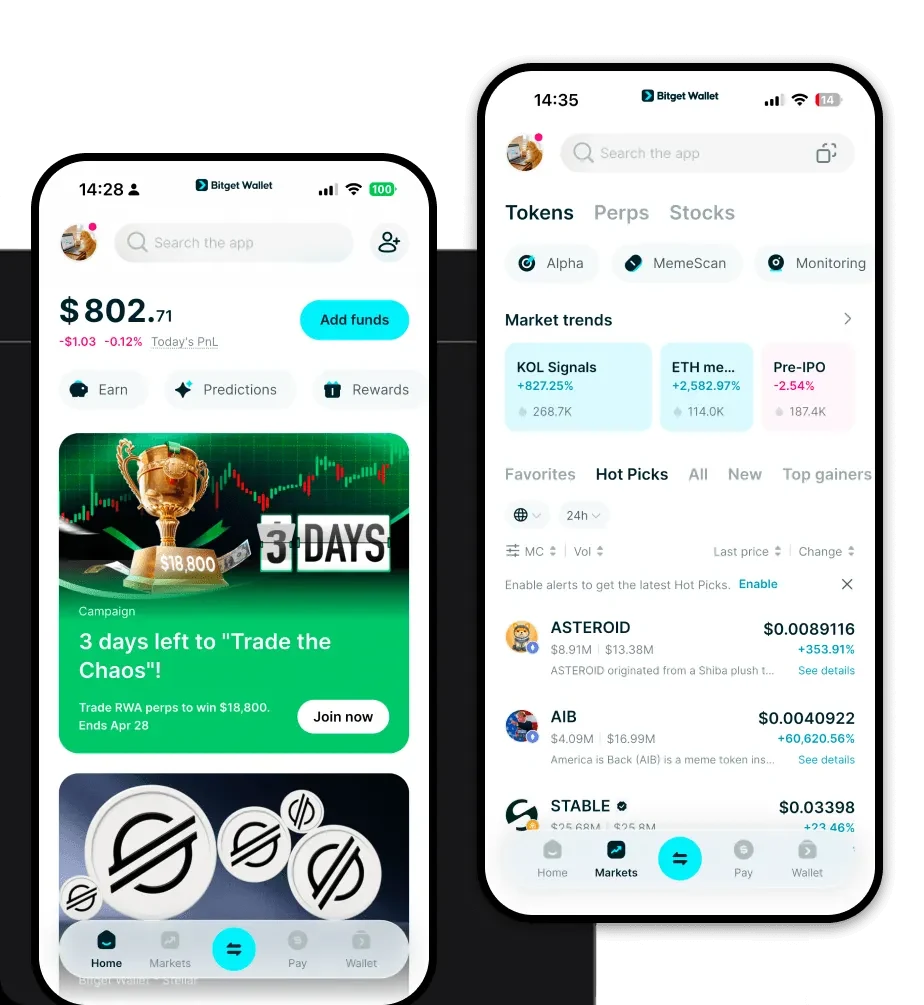
Bitget Wallet is a reliable and secure crypto wallet designed for managing BGC and other digital assets. Trusted by 40 million users, it offers a seamless gateway to explore Web3, trade tokens, and manage decentralized assets efficiently.
2. Download Bitget BGC Wallet
To start managing your assets, you need a tool that bridges the gap between complex blockchain mechanics and user-friendly design. Bitget Wallet provides exactly that through a unified, self-custodial interface.
Whether you are on the move or at your desk, you can access your assets anytime. The platform offers a dedicated mobile app for both iOS and Android, ensuring your portfolio is always in your pocket. For those who prefer desktop interaction, the browser extension provides smooth integration with various DApps.
Experience true self-custody where you hold your private keys. You can download Bitget Wallet today to enjoy robust support for over 130 public chains, ensuring that your BGC and other tokens are always accessible in one unified dashboard.
3. Why Choose Bitget BGC Wallet?
Choosing the right infrastructure for your BGC assets is critical. Bitget Wallet is engineered specifically to handle the demands of modern DeFi and infrastructure-level tokens.
- EVM Compatibility: Designed natively for the Ethereum Virtual Machine, ensuring perfect synchronization with BGC smart contracts and the broader ecosystem.
- High Liquidity Access: Aggregates hundreds of decentralized exchanges, allowing you to swap your tokens at the best possible market rates without leaving the app.
- Robust Security Architecture: Built with a multi-layered defense system, including the protection of a 300 million USD user protection fund to safeguard your assets against unforeseen threats.
- Cross-Chain Interoperability: Effortlessly bridge BGC across different networks, eliminating the friction usually associated with moving assets between disparate blockchains.
- Decentralized Ecosystem Integration: Direct access to DApps, NFT marketplaces, and governance protocols, making it a comprehensive hub for your Web3 activities.
4. How to Create a BGC Wallet
Setting up your wallet is a straightforward process designed to prioritize your security while remaining accessible.
1. Download and install the Bitget Wallet app from the official source or your device's app store.
2. Launch the application and select 'Create a New Wallet'.
3. Carefully back up your mnemonic phrase (seed phrase). Store this in a secure, offline location, as this is the only way to recover your funds.
4. Set a strong password or biometric authentication to protect the wallet locally on your device.
5. Once the wallet is initialized, you will see your primary EVM-compatible address. You can now import or receive BGC tokens directly to this address.
5. What Can You Do With a BGC Wallet?
Holding BGC in a powerful Web3 wallet unlocks a variety of functional possibilities that go beyond simple storage.
Trading: Utilize the integrated DEX aggregator to swap BGC for other assets instantly, ensuring you capture optimal liquidity across multiple decentralized venues.
Staking: Lock your tokens into smart contracts directly through the wallet interface to contribute to network security and earn potential yield or rewards.
Governance Voting: Participate in the decision-making processes of the ecosystem by using your wallet to sign on-chain votes, directly influencing the future of the protocol.
Paying Transaction Fees: Use BGC to cover gas costs within the ecosystem, reducing friction and ensuring your transactions are processed efficiently on the EVM network.
Participating in Launchpads: Gain early access to new projects by using your wallet to commit BGC, allowing you to engage with emerging opportunities in the infrastructure space.
6. How BGC Wallets Are Different from Other Crypto Wallets
Not all wallets are created equal, especially when handling EVM-based infrastructure assets like BGC. Unlike wallets designed for UTXO-based chains (like Bitcoin), which focus primarily on transaction history and balance, a BGC wallet is built for the account-based model.
This means your wallet is constantly interacting with state-heavy smart contracts. Bitget Wallet optimizes for this by providing a superior gas-estimation engine, ensuring you don't overpay for transaction execution. While basic wallets might struggle with complex DApp interactions, our infrastructure is designed to handle high-frequency DeFi engagement, lower latency for swaps, and a seamless connection to the broader Ethereum-compatible ecosystem.