



Apa itu Dompet ntai?
Dompet ntai adalah antarmuka digital khusus yang dirancang untuk mengelola token ntai Anda, yang beroperasi di blockchain EVM (Ethereum Virtual Machine). Karena ntai dibangun di atas kerangka kerja yang kompatibel dengan EVM, dompet Anda bertindak sebagai gerbang pribadi Anda ke web terdesentralisasi, memungkinkan Anda untuk menandatangani transaksi, berinteraksi dengan smart contract, dan mengelola aset Anda di seluruh ekosistem Ethereum yang lebih luas. Apakah Anda mencari dompet kripto yang andal dan aman untuk ntai Anda? Bitget Wallet akan menjadi pilihan terbaik Anda. Dipercaya oleh 40 juta pengguna, Anda dapat dengan bebas menjelajahi Web3 di Bitget Wallet.
Unduh Bitget ntai Wallet
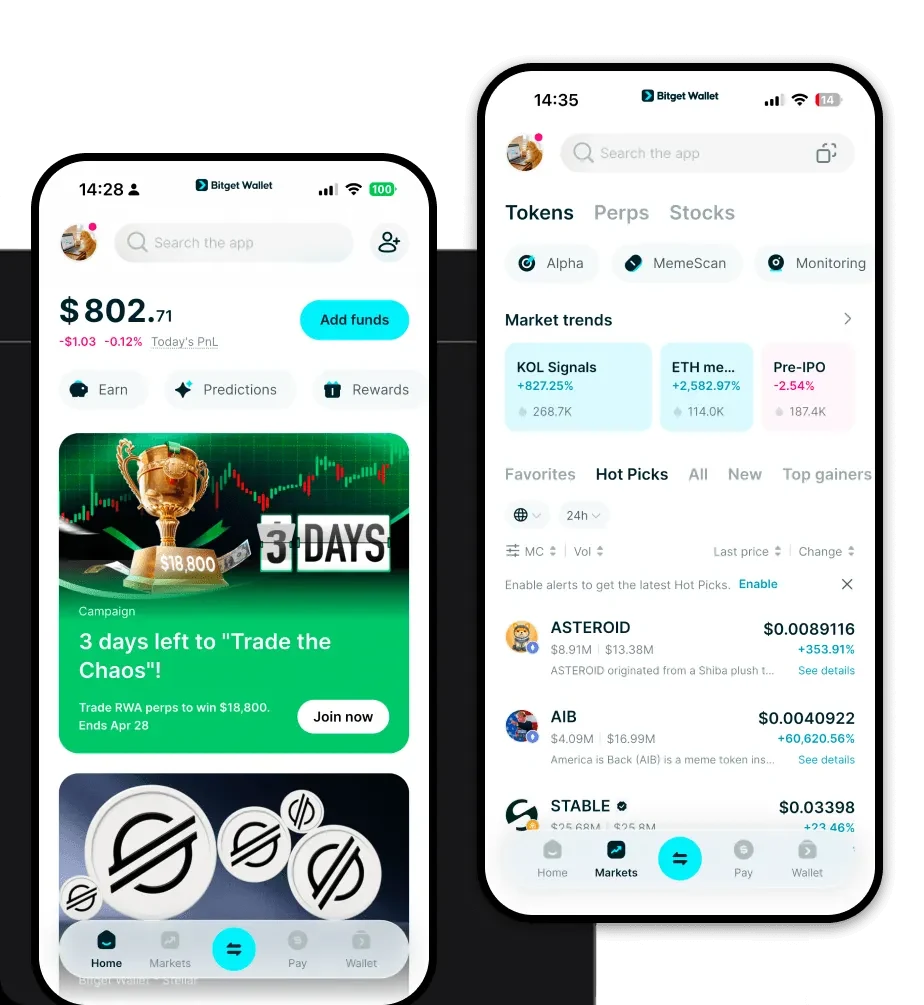
Mengakses aset ntai Anda memerlukan alat yang menyeimbangkan keamanan dengan kemudahan penggunaan. Bitget Wallet menyediakan solusi non-kustodian, yang berarti Anda tetap menjadi satu-satunya pemilik kunci pribadi dan seed phrase Anda setiap saat. Baik saat bepergian atau di depan meja kerja, Anda dapat mengunduh Bitget Wallet untuk memulai. Aplikasi ini telah dioptimalkan sepenuhnya untuk iOS, Android, dan ekstensi browser, memastikan pengalaman lintas platform yang lancar. Dengan memilih dompet ini, Anda mendapatkan akses ke platform yang mendukung lebih dari 130 rantai publik, memungkinkan Anda untuk mengelola ntai Anda bersama portofolio aset lainnya dengan kendali penuh atas kunci pribadi Anda.
Mengapa Memilih Bitget ntai Wallet?
- Kompatibilitas EVM Penuh: Dirancang khusus untuk arsitektur EVM, dompet ini memastikan Anda dapat berinteraksi dengan dApp atau protokol apa pun yang dibangun untuk ekosistem Ethereum tanpa kesalahan konfigurasi.
- Integrasi AI Terdesentralisasi: Sebagai dompet yang dibangun untuk masa depan infrastruktur, dompet ini menyediakan dukungan asli untuk protokol AI terdesentralisasi, memungkinkan Anda mengelola aset berbasis AI secara efisien.
- Interoperabilitas Tinggi: Manfaatkan pertukaran lintas rantai (cross-chain swap) yang mulus dan integrasi bridge, memastikan ntai Anda dapat berpindah dengan lancar antar lapisan dan jaringan yang berbeda.
- Arsitektur yang Dapat Diskalakan: Dompet ini direkayasa untuk menangani transaksi frekuensi tinggi dan interaksi smart contract yang kompleks, menjaga kecepatan dan keandalan bahkan selama periode kepadatan jaringan.
Cara Membuat Dompet ntai
Menyiapkan dompet Anda adalah proses langsung yang dirancang untuk mengutamakan keamanan Anda:
- Unduh aplikasi resmi Bitget Wallet dari situs web atau toko aplikasi pilihan Anda.
- Pilih 'Buat Dompet Baru' dan pastikan Anda berada di lingkungan yang pribadi.
- Cadangkan mnemonic phrase (seed phrase) Anda di atas kertas dan simpan di lokasi yang aman dan offline; jangan pernah membagikannya kepada siapa pun.
- Verifikasi cadangan Anda dengan memasukkan kata-kata tersebut dalam urutan yang benar seperti yang diminta oleh aplikasi.
- Setelah diverifikasi, dompet Anda aktif. Anda sekarang dapat mengimpor alamat ntai Anda atau menerima token dengan mengeklik 'Terima' dan memilih jaringan EVM yang relevan.
Apa yang Dapat Anda Lakukan Dengan Dompet ntai?
Memiliki dompet ntai membuka dunia utilitas dalam ruang infrastruktur terdesentralisasi:
- Trading: Gunakan agregator DEX bawaan untuk menukar ntai Anda dengan aset lain dengan harga pasar terbaik dan slippage minimal.
- Staking: Kunci token ntai Anda ke dalam protokol terverifikasi langsung melalui browser dApp untuk mendapatkan imbal hasil dan berkontribusi pada keamanan jaringan.
- Voting Tata Kelola: Berpartisipasilah dalam proses pengambilan keputusan ekosistem ntai dengan memberikan suara Anda pada proposal protokol langsung dari antarmuka dompet Anda.
- Akses Model AI: Manfaatkan dompet Anda untuk terhubung dengan penyedia layanan AI terdesentralisasi, memberi Anda akses lancar ke model AI eksklusif dan sumber daya komputasi.
Apa Perbedaan Dompet ntai dengan Dompet Kripto Lainnya
Tidak seperti solusi penyimpanan sederhana, dompet ntai yang dioptimalkan untuk ekosistem EVM berfungsi berbeda dari dompet yang dibangun untuk rantai UTXO seperti Bitcoin. Sementara dompet Bitcoin berfokus pada input dan output transaksi, dompet ntai Anda menggunakan 'Model Akun.' Ini berarti dompet Anda berfungsi lebih seperti rekening bank, di mana Anda memiliki saldo dan berinteraksi dengan smart contract yang menjalankan logika di blockchain. Selain itu, karena ini adalah dompet yang berfokus pada EVM, Anda akan mengelola 'Biaya Gas'—biaya transaksi yang diperlukan untuk memicu operasi Anda—langsung di dalam aplikasi. Ini menciptakan lingkungan yang sangat dinamis di mana kecepatan dan kemampuan pemrograman diprioritaskan di atas riwayat transaksi linier yang lebih sederhana yang ditemukan di dompet non-EVM.
