




What is a Lynx Wallet?
A Lynx wallet is a specialized digital interface designed to interact with the Lynx ecosystem, which is primarily built on the EOS blockchain. Because Lynx functions as a critical utility token within its native network, it powers various decentralized applications and facilitates complex user interactions. Users need a secure, reliable wallet to manage, store, and trade these tokens effectively. Lynx is a cryptocurrency often associated with the Lynx ecosystem, primarily known for its presence on the EOS blockchain. It serves as a utility token within its native network, facilitating various decentralized applications and user interactions. Users can manage, store, and trade Lynx tokens using secure wallets like Bitget Wallet, which supports exploring the broader Web3 ecosystem.
Download Bitget Lynx Wallet
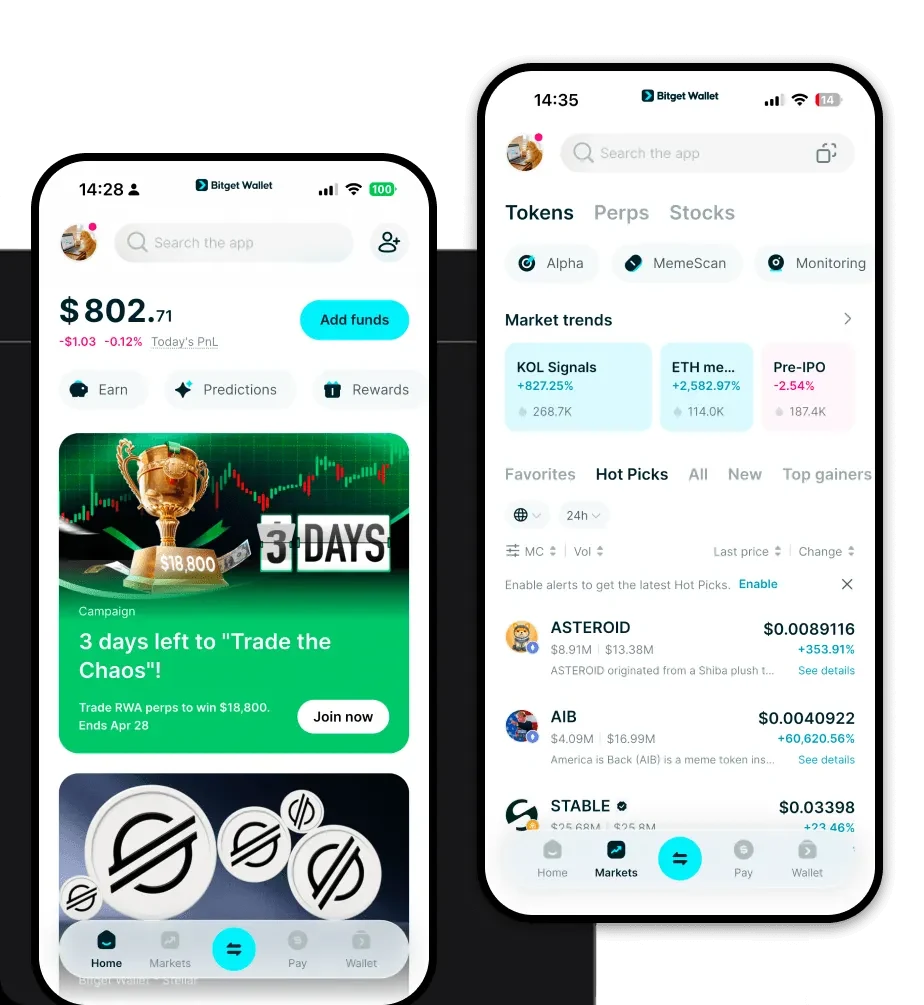
To begin your journey, you need a wallet that balances high-level security with ease of use. You can download Bitget Wallet to access your Lynx assets across multiple platforms, including iOS, Android, and browser extensions. Bitget Wallet stands out by providing true self-custody, ensuring that you maintain complete control over your private keys at all times. Whether you are a mobile-first user or a desktop power user, the application provides a unified interface to manage your Lynx tokens alongside hundreds of other assets. Its multi-chain architecture means you are not restricted to a single ecosystem, allowing you to manage your Lynx holdings while simultaneously exploring the wider decentralized finance landscape.
Why Choose Bitget Lynx Wallet?
Choosing the right wallet for Lynx involves understanding the unique requirements of the EOS blockchain. Bitget Wallet provides a comprehensive environment tailored for high-performance tokens. Here is why it is the best wallet for Lynx users:
- Advanced Security Infrastructure: Bitget Wallet is backed by a 300 million USD user protection fund, providing an extra layer of security that goes beyond standard self-custody solutions.
- Seamless EOS Resource Management: Unlike many generic wallets, Bitget understands the EOS resource model, allowing you to manage your RAM, CPU, and NET usage directly.
- Integrated DApp Browser: Experience full compatibility with the Lynx ecosystem through a built-in DApp browser that allows for instant interaction with decentralized platforms.
- Cross-Chain Aggregation: Access liquidity across hundreds of DEXs and cross-chain bridges, ensuring you can swap your Lynx tokens with minimal slippage.
- Developer-Friendly Architecture: The wallet interface is optimized for rapid transaction confirmations, mirroring the high-scalability features inherent to the Lynx ecosystem.
How to Create a Lynx Wallet
Setting up your wallet is a straightforward process, but because you are interacting with the EOS blockchain, it is important to follow the correct steps to ensure your account is properly initialized.
1. Download and Install: Visit the official website to download Bitget Wallet for your preferred device (iOS, Android, or Browser Extension).
2. Create a New Wallet: Open the app and select 'Create a New Wallet'. Make sure you are in a private environment where no one can see your screen.
3. Backup Your Seed Phrase: This is the most critical step. Write down your 12 or 24-word recovery phrase on paper and store it in a secure, offline location. Never share this with anyone.
4. Activate EOS Network: Since Lynx operates on EOS, navigate to the network settings and ensure EOS is enabled. Your wallet will automatically generate your unique EOS account address.
5. Manage Resources: Once your wallet is ready, you can deposit Lynx tokens. Because EOS requires resources for transactions, ensure you have enough staked resources to facilitate your activities.
What Can You Do With a Lynx Wallet?
Having a Lynx wallet opens the door to a wide array of activities within the DeFi space. It is not just about holding assets; it is about active participation.
Staking: You can lock your Lynx tokens in smart contracts to earn passive rewards, helping to secure the network while growing your holdings over time.
Trading on Decentralized Exchanges: Use your wallet to connect to top-tier DEXs on the EOS chain, allowing you to swap Lynx for other assets instantly without intermediaries.
Participating in Governance: Utilize your Lynx tokens to vote on key proposals within the ecosystem, giving you a direct say in the future development and direction of the project.
Accessing dApps: Leverage the wallet's DApp browser to interact with decentralized applications, ranging from gaming platforms to advanced financial tools, all powered by the Lynx ecosystem.
Cross-Chain Asset Management: Use the built-in bridging features to move your assets between EOS and other major blockchains, providing you with maximum flexibility for your portfolio.
How Lynx Wallets Are Different from Other Crypto Wallets
The primary difference between a Lynx wallet and other standard wallets lies in the underlying blockchain architecture. Most users are familiar with the EVM (Ethereum) model, which relies on gas fees paid in ETH. However, Lynx operates on the EOS blockchain, which utilizes a resource model (CPU, NET, and RAM). This means that instead of paying a fluctuating gas fee for every single transaction, you are managing network resources. A high-quality Lynx wallet like Bitget must be capable of displaying these resource metrics clearly. Furthermore, because Lynx benefits from instant transaction confirmation and high scalability, the wallet interface is designed to handle rapid-fire interactions that would cause congestion on slower, fee-heavy networks. This distinction makes the user experience significantly faster and more predictable for those accustomed to traditional blockchain limitations.
