





What is a JDB Wallet?
A JDB wallet is a digital interface designed to interact with the EVM (Ethereum Virtual Machine) blockchain, where your JDB assets reside. Because JDB operates within the EVM ecosystem, you need a wallet that understands smart contract interactions, gas fee estimations, and token standards like ERC-20. JDB is a digital asset that can be securely managed and traded using the Bitget Wallet, which provides a gateway to explore the Web3 ecosystem for over 40 million users. By using a specialized wallet, you ensure that your private keys remain under your control while you interface with decentralized applications.
Download Bitget JDB Wallet
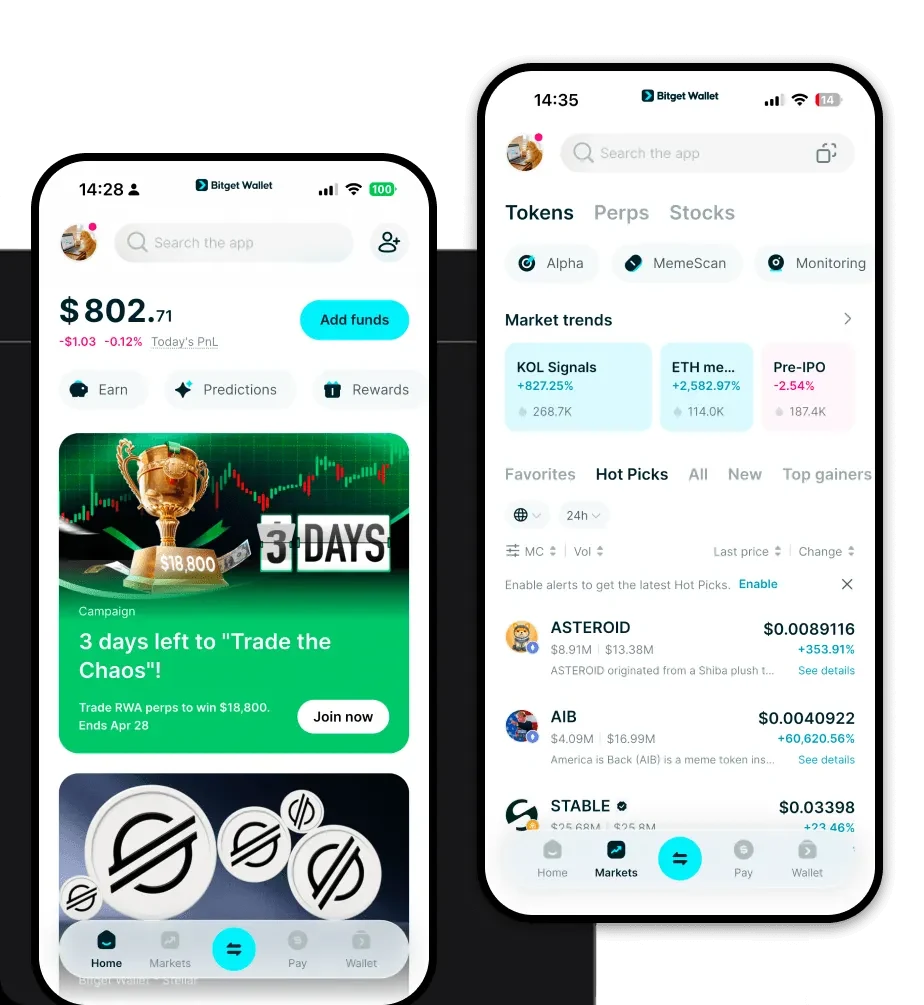
To start managing your tokens, you need a robust interface that supports the full spectrum of EVM capabilities. Bitget Wallet stands out by offering a non-custodial solution that puts you in the driver's seat of your financial future. Whether you are on the move or at your desk, you can access your assets seamlessly. You can download Bitget Wallet directly to your iOS or Android device, or install the browser extension to interact with DeFi protocols directly from your desktop. It provides comprehensive multi-chain support, ensuring that if you decide to diversify beyond the EVM ecosystem, your assets are always reachable through a single, unified interface.
Why Choose Bitget JDB Wallet?
- Native EVM Compatibility: Bitget Wallet is built from the ground up to handle EVM-based tokens like JDB, ensuring zero friction when interacting with smart contracts or swapping tokens on decentralized exchanges.
- Advanced DeFi Integration: As a DeFi-centric user, you benefit from built-in DApp browsers that allow you to stake, farm, or lend your JDB tokens without leaving the safety of your wallet environment.
- Unmatched Interoperability: Our platform aggregates liquidity from hundreds of DEXs and cross-chain bridges, guaranteeing that you always get the best rates for your JDB trades.
- Institutional-Grade Security: With a $300 million user protection fund and decentralized private key management, your JDB holdings are shielded against common vulnerabilities.
- High-Performance Infrastructure: Experience lightning-fast transaction broadcasting, which is crucial when trying to capitalize on volatile DeFi market opportunities.
How to Create a JDB Wallet
- Download and install the Bitget Wallet app from the official website or your mobile app store.
- Open the app and select 'Create a New Wallet' to generate a unique set of seed phrases.
- Carefully back up your 12 or 24-word recovery phrase; never share this with anyone, as it is the only way to recover your JDB funds.
- Set a strong, unique PIN or biometric password to secure your local device access.
- Once initialized, you will see your default EVM address, which serves as your gateway to receive and manage your JDB tokens.
What Can You Do With a JDB Wallet?
Owning a JDB wallet opens up a world of decentralized finance opportunities. You can engage in trading by swapping JDB against other assets directly through the wallet's integrated DEX aggregator. For long-term holders, efficient asset management is made possible through a clear dashboard that tracks your portfolio performance in real-time. You can use your wallet for secure wallet storage, keeping your tokens safe in a non-custodial environment. Furthermore, the wallet facilitates seamless cross-platform transfers, allowing you to move JDB between different EVM chains or exchanges with ease.
How JDB Wallets Are Different from Other Crypto Wallets
Unlike simple custodial accounts on centralized exchanges, a dedicated JDB wallet using the Bitget infrastructure operates on an account-based model, which is the standard for EVM chains. While Bitcoin wallets utilize a UTXO (Unspent Transaction Output) model, your JDB wallet manages state changes within smart contracts. This means your wallet doesn't just hold a balance; it interacts with complex DeFi logic. Additionally, Bitget Wallet optimizes for the specific gas fee dynamics of the EVM, ensuring that you aren't overpaying during network congestion, unlike generic wallets that might lack advanced fee estimation tools.
