





1. What is an OCT Wallet?
An OCT wallet is a specialized digital interface designed to store, send, and interact with OCT tokens, the native utility token of the Octopus Network. Octopus Network itself is a multi-chain interoperable crypto network designed for Web3 applications. Because it operates within the Substrate ecosystem, the wallet you choose must be capable of handling the unique technical requirements of this architecture. OCT is the native utility token of the Octopus Network, a multi-chain interoperable crypto network designed for Web3 applications. It enables decentralized governance, staking for security, and asset cross-chain transfer within the Substrate ecosystem. When you hold OCT in a non-custodial wallet, you retain full control over your private keys, allowing you to participate directly in the network's activities rather than relying on a centralized exchange.
2. Download Bitget OCT Wallet
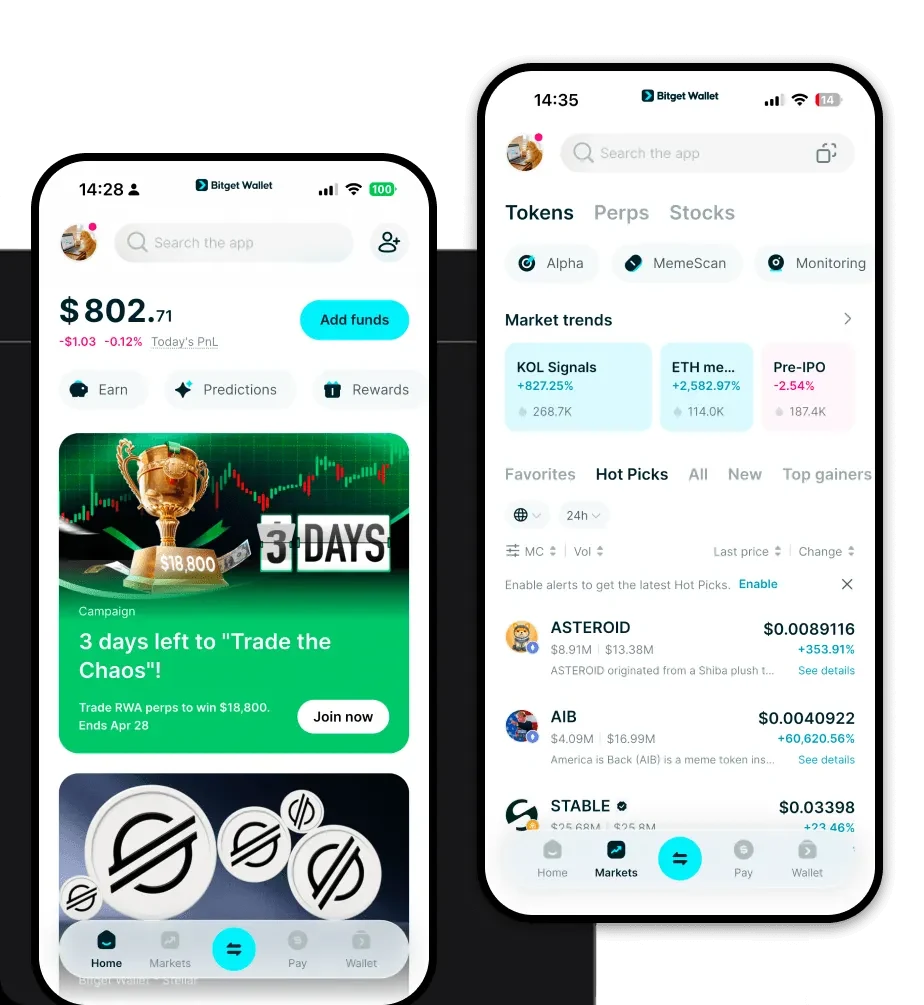
Finding a reliable place to manage your assets is the first step in your Web3 journey. To get started, you can download Bitget Wallet, which offers a seamless experience for managing OCT and thousands of other digital assets. Bitget Wallet stands out because it provides true self-custody, ensuring that you—and only you—have control over your private keys and recovery phrases. Whether you prefer managing your portfolio on the go via iOS or Android, or you need the convenience of a browser extension for desktop interactions, the app is fully optimized for all devices. With robust multi-chain support, you can switch between networks effortlessly without needing multiple wallets, making it an ideal choice for Octopus Network enthusiasts.
3. Why Choose Bitget OCT Wallet?
- Substrate Ecosystem Integration: Unlike generic wallets, Bitget Wallet is engineered to handle the complexities of Substrate-based networks, ensuring that your interactions with Octopus Network are smooth and error-free.
- Enhanced Security Infrastructure: With access to a $300 million user protection fund, Bitget Wallet provides an extra layer of peace of mind that most standard wallets lack, prioritizing the safety of your assets against malicious threats.
- Comprehensive DApp Browser: Easily connect to various Web3 applications within the Octopus ecosystem directly through the in-app browser, streamlining your ability to stake and govern without leaving the interface.
- Seamless Cross-Chain Capabilities: Given that Octopus Network relies on interoperability, Bitget Wallet’s built-in support for hundreds of DEXs and cross-chain bridges makes moving your OCT assets across different chains efficient and cost-effective.
4. How to Create an OCT Wallet
Getting your wallet set up is a straightforward process designed for both beginners and advanced users:
- Download and Install: Visit the official website to download the Bitget Wallet application for your preferred device (mobile or desktop).
- Create a New Wallet: Open the app and select 'Create a Wallet.' You will be prompted to set a strong password for your local device security.
- Secure Your Backup: The app will generate a 12-word mnemonic phrase (seed phrase). Write this down on paper and store it in a secure, offline location. Never share this with anyone.
- Verify and Setup: Confirm your seed phrase within the app to finalize the creation process. Your wallet address is now active and ready to receive assets.
- Import OCT: If you do not see OCT in your asset list, use the 'Manage Tokens' feature to search for the OCT contract address and toggle it on to display your balance.
5. What Can You Do With an OCT Wallet?
Holding OCT in a self-custodial wallet unlocks the full potential of the Octopus Network infrastructure. Here is how you can utilize your tokens:
- Staking for validator nodes: You can participate in network security by delegating your OCT to validator nodes, which helps maintain the integrity of the Octopus Network while earning rewards.
- Governance voting: By holding OCT, you gain the right to participate in decentralized governance, allowing you to vote on critical proposals that shape the future of the network.
- Securing appchains: Your participation in staking directly contributes to securing various appchains within the ecosystem, reinforcing the decentralized nature of the network.
- Cross-chain asset transfer: Utilize your wallet to facilitate the seamless movement of assets across different chains, leveraging the interoperability features inherent to the Octopus Network.
- Delegation: Beyond running your own nodes, you can use your wallet to delegate your voting power or staking stake to trusted validators, balancing risk and reward effectively.
6. How OCT Wallets Are Different from Other Crypto Wallets
Managing tokens in the Substrate ecosystem, such as OCT, differs significantly from standard EVM (Ethereum) wallets. While EVM wallets focus on gas fees and contract interactions on chains like Ethereum or BNB, an OCT-compatible wallet must handle Substrate’s specific account models. Unlike the simple address structures found in Bitcoin (UTXO) or Ethereum, the Substrate architecture often involves more complex identity and logic layers. Bitget Wallet bridges this gap by providing a user-friendly interface that hides these complexities, ensuring that you don't need to manually configure RPC endpoints or understand the intricacies of Substrate's architecture. Furthermore, while Bitcoin wallets prioritize cold storage and UTXO management, and EOS wallets focus on resource management (RAM/CPU/NET), an OCT wallet is designed for high-interoperability, emphasizing the ability to bridge assets and participate in multi-chain governance seamlessly.
