





1. What is a Payman Wallet?
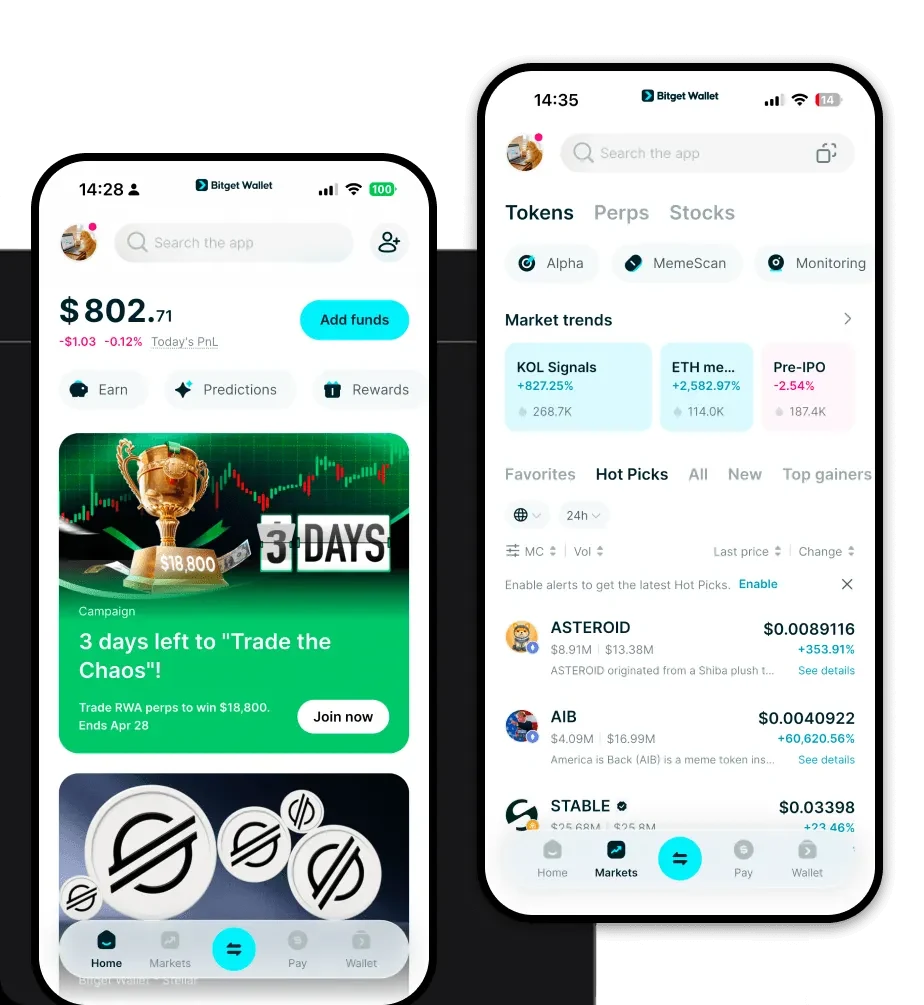
A Payman wallet is a specialized digital interface designed to interact with the Payman ecosystem, which operates on the EVM (Ethereum Virtual Machine) blockchain. Because Payman is built on EVM infrastructure, it requires a wallet that supports ERC-20 token standards and smart contract interactions. Payman is a digital asset often associated with payment-focused ecosystems. Bitget Wallet serves as a secure platform to store, manage, and explore Web3 capabilities for PAYMAN, trusted by millions of users for seamless crypto transactions.
2. Download Bitget Payman Wallet
To start managing your assets, you need a reliable gateway to the blockchain. Bitget Wallet offers a comprehensive solution that bridges the gap between complex Web3 protocols and user-friendly design. It supports non-custodial storage, meaning you hold the keys to your assets, ensuring complete control. Whether you are using a desktop browser or mobile devices, Bitget Wallet provides a seamless experience across iOS, Android, and browser extensions. You can download Bitget Wallet today to access a multi-chain environment that keeps your Payman tokens organized and ready for action.
3. Why Choose Bitget Payman Wallet?
Choosing the right wallet is critical for navigating the EVM ecosystem efficiently. Bitget Wallet stands out for its deep integration with DeFi protocols and its commitment to user security. Here is why it is the preferred choice for Payman holders:
- Native EVM Compatibility: Bitget Wallet is built to handle EVM-based assets natively, ensuring your Payman transactions interact flawlessly with decentralized applications.
- Optimized Transaction Fees: By leveraging smart gas estimation tools, the wallet helps you minimize transaction costs, which is essential for frequent DeFi activities.
- Instant Cross-Border Settlement: As a payment-focused token, Payman benefits from the wallet’s architecture, which facilitates rapid, near-instant settlement of assets across global networks.
- Robust Smart Contract Integration: The wallet provides a secure environment for interacting with complex dApps, giving you peace of mind when participating in liquidity pools or staking platforms.
4. How to Create a Payman Wallet
Setting up your wallet is a straightforward process that grants you immediate access to your Payman assets:
1. Download and Install: Visit the official website or your app store and download Bitget Wallet to your device.
2. Create a New Wallet: Open the app and select 'Create Wallet.' You will be prompted to set a strong password to protect the app interface.
3. Backup Your Seed Phrase: This is the most crucial step. Write down your 12-24 word recovery phrase and store it in an offline, secure location. Never share this with anyone.
4. Verify Your Phrase: The app will ask you to re-enter the words to ensure you have backed them up correctly.
5. Add Payman to Your Assets: Once inside, use the 'Add Token' feature. Since it is an EVM token, you can search for Payman by its contract address to make it visible in your wallet dashboard.
5. What Can You Do With a Payman Wallet?
With your Payman wallet ready, you can unlock the full potential of your tokens within the DeFi landscape. Here are the primary ways to utilize Payman:
- Payments: Leverage the token's core utility to conduct seamless, instant peer-to-peer or merchant-based payments globally without traditional banking intermediaries.
- Trading: Use the built-in DEX aggregator within Bitget Wallet to swap your Payman tokens for other assets at the best market rates with minimal slippage.
- Staking: Commit your Payman tokens to staking protocols to support network security and earn passive yields, directly managing your rewards through the wallet interface.
- Liquidity Provision: Contribute your Payman to decentralized liquidity pools to facilitate trading and earn a share of the transaction fees generated by the platform.
6. How Payman Wallets Are Different from Other Crypto Wallets
Not all wallets are created equal, especially when dealing with EVM-based DeFi tokens like Payman. Unlike wallets designed for UTXO-based chains (like Bitcoin), which focus primarily on simple value transfer, an EVM-compatible wallet like Bitget is designed for smart contract interaction. While UTXO wallets track unspent transaction outputs, your Payman wallet uses an 'account-based model.' This allows for the complex state changes required for DeFi activities like staking and automated market making. Furthermore, because Payman operates on the EVM, your wallet must be adept at handling gas fees, which are the 'fuel' for every transaction. Bitget Wallet optimizes this by offering real-time gas fee monitoring, ensuring you never overpay for your trades or transfers compared to more basic, non-EVM-focused wallets.
