





What is a YES Wallet?
A YES wallet is a digital interface specifically designed to interact with the YES token, an asset built on the EVM (Ethereum Virtual Machine) blockchain. Because YES is natively compatible with EVM standards, a compatible wallet acts as your personal gateway to the decentralized finance (DeFi) ecosystem. According to its core definition, YES is an asset designed to enhance user experience within the Web3 wallet ecosystem. It not only supports secure storage and management in mainstream wallets like Bitget Wallet but also strives to provide users with more convenient asset interaction experiences through decentralized financial tools, helping users explore the Web3 world.
Download Bitget YES Wallet
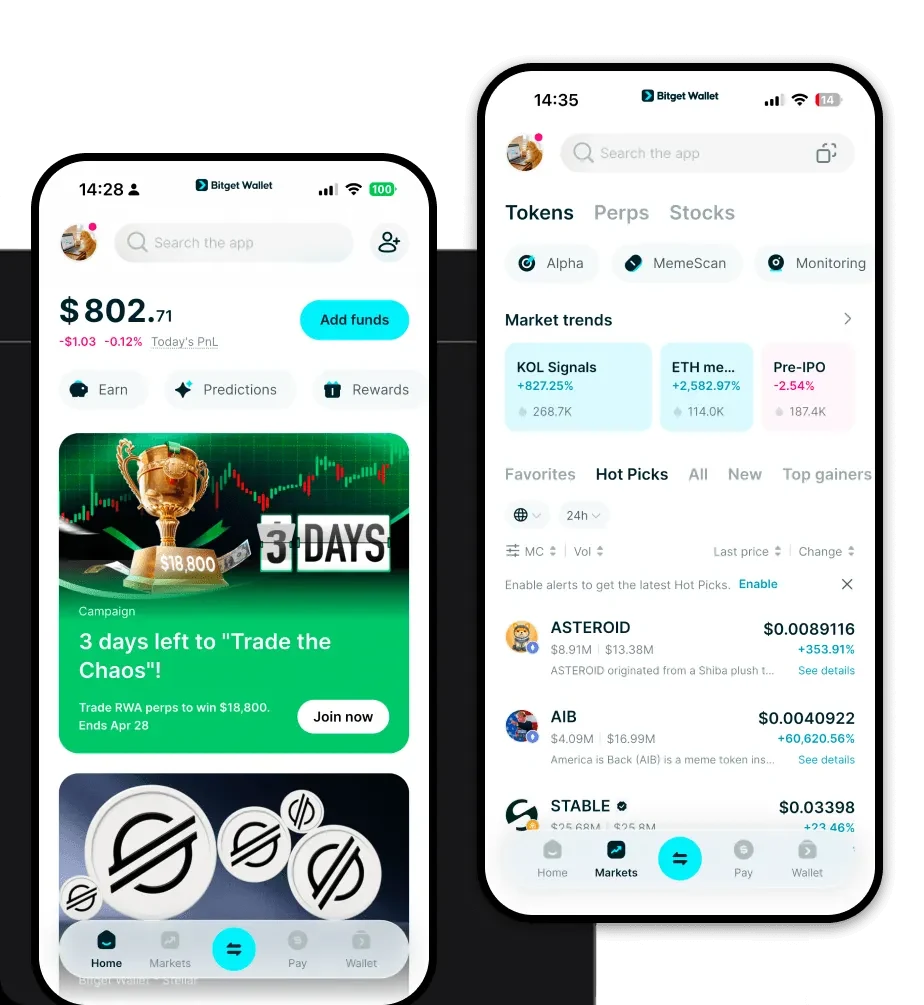
To fully harness the potential of your YES tokens, you need a tool that offers both robust security and comprehensive functionality. Bitget Wallet stands out as the premier choice for YES holders. It provides a seamless, non-custodial environment where you retain full control over your private keys, ensuring that you are the sole custodian of your assets. Whether you are using a mobile device or a desktop browser, the experience remains consistent and intuitive.
Bitget Wallet is built for the multi-chain era, offering expansive support for 130+ blockchains, which ensures that your YES tokens are always accessible alongside your other assets. You can easily download Bitget Wallet across iOS, Android, and browser extension platforms to get started in minutes.
Why Choose Bitget YES Wallet?
- Native EVM Compatibility: Designed specifically for the Ethereum Virtual Machine, Bitget Wallet ensures that your YES transactions are processed with full smart contract support, allowing for seamless interaction with dApps.
- Advanced DeFi Aggregation: As a DeFi-focused asset, YES benefits from Bitget Wallet's built-in DEX aggregator, which sources liquidity from hundreds of protocols to give you the best possible trade rates.
- Cross-Chain Interoperability: Easily bridge your YES tokens or interact with various chains without leaving the interface, simplifying the complex world of multi-chain DeFi.
- Asset Protection Fund: Bitget Wallet maintains a $300 million user protection fund, providing an extra layer of security and peace of mind for your YES holdings.
- Low Latency Performance: Optimized for high-speed transaction execution, the wallet ensures you can capitalize on market movements quickly, which is critical for active DeFi participants.
How to Create a YES Wallet
Setting up your wallet is a straightforward process that takes only a few minutes. Follow these steps to get started:
- Download and Install: Visit the official website or your app store to download Bitget Wallet.
- Create a New Wallet: Open the app and select 'Create a Wallet.' You will be prompted to set a strong password.
- Back Up Your Seed Phrase: The app will generate a 12-word recovery phrase. Write this down on paper and store it securely—this is your only way to recover funds if you lose your device.
- Verify Account: Follow the on-screen prompts to confirm your recovery phrase.
- Import or Receive YES: Once your wallet is set up, you will see your unique EVM address. You can now send YES tokens to this address or import an existing wallet using your private key.
What Can You Do With a YES Wallet?
Holding YES in a non-custodial wallet unlocks a variety of DeFi utilities that go beyond simple storage. Here is how you can actively use your YES tokens:
- Staking: Participate in network security or protocol governance by locking your YES tokens into smart contracts to earn potential yield.
- Trading on DEXs: Use your YES directly on decentralized exchanges to swap for other tokens without the need for a centralized intermediary.
- Providing Liquidity: Deposit your YES into liquidity pools on DeFi platforms to facilitate trading and earn a share of the transaction fees generated by the pool.
- Governance Voting: Exercise your rights as a token holder by participating in decentralized governance proposals, helping to shape the future of the YES ecosystem.
- Fee Payment: Utilize your YES tokens as a native currency to pay for transaction fees or service charges within specific dApps that integrate the token.
How YES Wallets Are Different from Other Crypto Wallets
Unlike wallets designed for Bitcoin or UTXO-based chains, a YES wallet is optimized for the account-based model used by EVM blockchains. In the EVM world, your wallet address represents a smart contract-capable account, not just a collection of unspent transaction outputs. This allows for complex interactions like approving token spends, interacting with lending protocols, and executing multi-step DeFi strategies. Furthermore, while some chains require complex resource management (like CPU/RAM), YES wallets on the EVM focus on gas fee optimization, ensuring that your transactions are prioritized and confirmed efficiently even during periods of high network congestion.
