





What is a CLQ Wallet?
A CLQ wallet is a digital interface designed to interact with the CloutContracts ecosystem, which operates on the Ethereum (EVM) blockchain. Because CLQ is the native utility token of CloutContracts, a platform designed to empower the creator economy through smart contract solutions, your wallet serves as the gateway to all platform activities. It facilitates secure transactions and interactions within the ecosystem, allowing users to leverage decentralized tools for digital asset management and creator-focused engagement. By utilizing an EVM-compatible wallet, you ensure full compatibility with the smart contracts that power the CloutContracts infrastructure.
Download Bitget CLQ Wallet
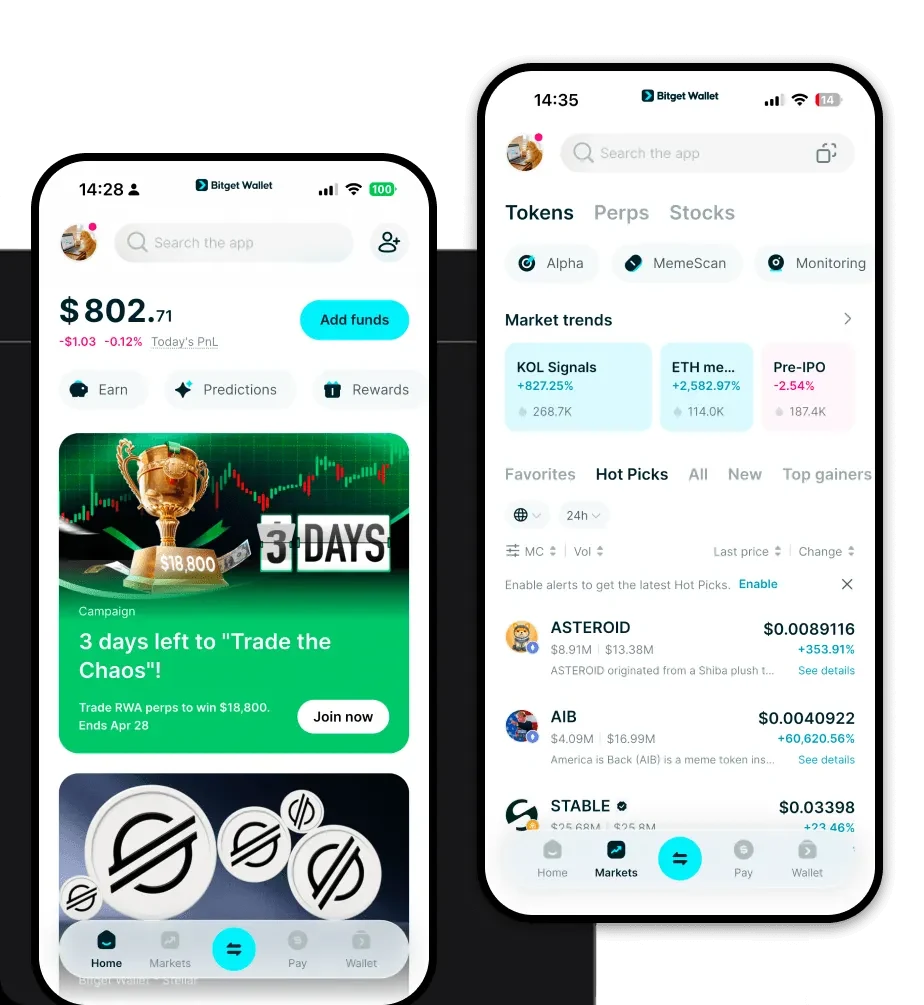
To begin your journey with CloutContracts, you need a secure and versatile wallet. We recommend users download Bitget Wallet, which offers a robust environment for managing your assets. Bitget Wallet provides true self-custody, ensuring that you maintain complete control over your private keys. Whether you are on the move or at your desk, the wallet is available as an iOS app, an Android app, and a browser extension, offering a seamless experience across devices. Its multi-chain support ensures that while you manage your CLQ, you can also interact with other assets across the broad Web3 landscape.
Why Choose Bitget CLQ Wallet?
When dealing with EVM-based tokens like CLQ, the choice of wallet significantly impacts your DeFi experience. Here is why Bitget Wallet stands out:
- Native EVM Compatibility: Designed specifically for EVM chains, it ensures smooth interaction with smart contracts and dApps without compatibility issues.
- Smart Contract Automation: The interface is optimized for executing complex smart contract interactions, making it easier to engage with the automated creator economy tools.
- Robust Asset Security: With a dedicated user protection fund, your assets are shielded against unforeseen risks, providing peace of mind while you participate in DeFi.
- Seamless Cross-Platform Interoperability: Easily switch between your mobile device and browser extension without losing track of your portfolio or transaction history.
How to Create a CLQ Wallet
Setting up your wallet to hold CLQ is a straightforward process:
- Install: Use the official link to download and install the Bitget Wallet application on your preferred device.
- Create or Import: Open the app and select 'Create a new wallet'. If you already have a seed phrase, you can import it to restore your previous address.
- Secure Your Keys: Write down your mnemonic phrase and store it offline. Never share this with anyone, as it is the only way to recover your funds.
- Add CLQ: Navigate to the token management section, search for the CLQ contract address on the EVM network, and add it to your visible asset list.
- Verify: Once added, your CLQ balance and wallet address will appear on the home screen, ready for use.
What Can You Do With a CLQ Wallet?
Your CLQ wallet is more than just a storage tool; it is your key to participating in the CloutContracts ecosystem:
- Staking for Platform Rewards: You can stake your CLQ tokens directly through the wallet interface to earn platform rewards and generate passive yield.
- Governance Voting: Use your CLQ holdings to participate in governance voting, having a direct say in the future development of the CloutContracts platform.
- Liquidity Provision: Provide liquidity to various pools on decentralized exchanges to help stabilize the market and earn transaction fees.
- Trading on Decentralized Exchanges: Use the built-in DApp browser to swap your CLQ on leading decentralized exchanges without leaving your wallet.
- Accessing Exclusive Creator Content: Utilize your CLQ tokens to unlock and access specialized, exclusive content curated by creators within the network.
How CLQ Wallets Are Different from Other Crypto Wallets
Unlike simple storage wallets, a CLQ-compatible wallet like Bitget is built for the EVM architecture. While some wallets are designed for UTXO-based chains like Bitcoin, which focus on simple transfers, an EVM-based wallet is built to handle the complexity of account models and smart contract states. This means your wallet must be able to calculate and manage gas fees dynamically to ensure your transactions process quickly during network congestion. Furthermore, because the creator economy relies on constant interaction with decentralized applications, your wallet acts as an active participant in the chain's state, rather than just a passive vault for your tokens.
