What is a JIA Wallet?
A JIA wallet is a digital gateway designed to help you interact with the JIA token within the Ethereum Virtual Machine (EVM) ecosystem. As a decentralized asset, JIA requires a secure, non-custodial environment to ensure that you retain full control over your private keys and transaction history. By utilizing a wallet compatible with the EVM standards, you can seamlessly connect to decentralized applications (DApps), participate in DeFi protocols, and manage your JIA portfolio with ease.
JIA is a crypto asset supported by the Bitget Wallet, providing users with a secure and reliable way to manage and explore Web3 services. Bitget Wallet offers seamless integration for JIA, allowing users to trade and manage their holdings within a trusted ecosystem. Because JIA operates on EVM-compatible chains, your wallet acts as the bridge between your assets and the vast array of smart contracts that power the modern DeFi landscape.
Download Bitget JIA Wallet
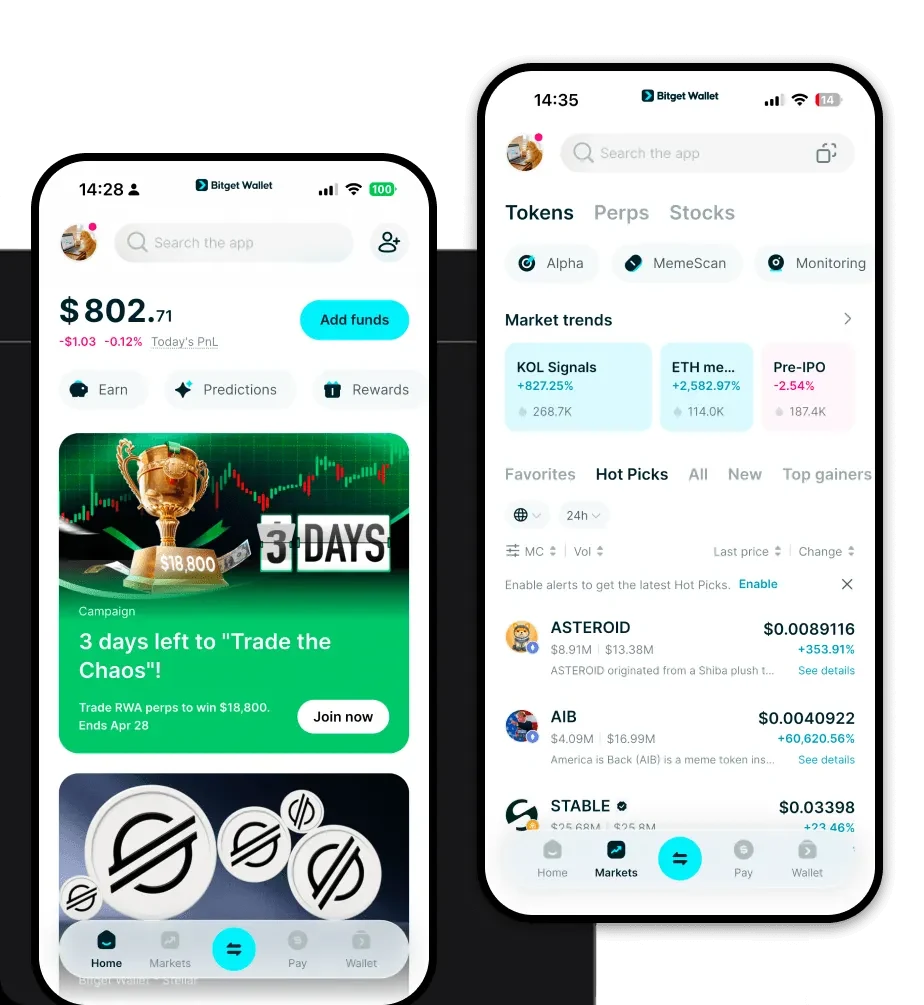
Getting started with your JIA assets requires a robust and user-friendly interface. To begin, you should download Bitget Wallet, which serves as a secure, non-custodial solution for all your digital asset needs. The platform is designed to be highly accessible, offering native applications for both iOS and Android devices, as well as a powerful browser extension for desktop users.
Unlike centralized exchanges where the platform holds your keys, a non-custodial wallet ensures that you are the sole custodian of your funds. With support for over 130 public chains, Bitget Wallet is not just a JIA wallet—it is a comprehensive multi-chain tool. Whether you are using your mobile phone on the go or managing your portfolio from your computer, the cross-platform interoperability ensures that your JIA holdings are always synchronized and accessible whenever you need them.
Why Choose Bitget JIA Wallet?
When selecting the best wallet for JIA, you need an infrastructure that understands the intricacies of the DeFi market and EVM compatibility. Bitget Wallet stands out for several critical reasons:
- EVM Native Architecture: Bitget Wallet is built with full EVM compatibility, ensuring that you can interact with any JIA-related smart contracts or DeFi protocols without compatibility issues or manual network configurations.
- Advanced Security with Protection Fund: Your assets are backed by a massive 300 million USD protection fund, offering an extra layer of security that traditional software wallets often lack.
- High Liquidity Access: The wallet aggregates hundreds of decentralized exchanges (DEXs) and liquidity pools, ensuring that you always get the best possible execution price when trading JIA.
- Gas Fee Optimization: By utilizing advanced routing algorithms, the wallet helps you navigate EVM gas fees efficiently, ensuring your transactions are processed at optimal speeds without unnecessary costs.
- Decentralized Asset Management: You maintain total control over your JIA wallet address and private keys, meaning you are never dependent on a third party to access your funds.
How to Create a JIA Wallet
Creating your secure environment for JIA is a straightforward process that takes only a few minutes. Follow these steps to get set up:
1. Install the Application: Download the official Bitget Wallet app from the website or your device's app store.
2. Create a New Wallet: Open the app and select 'Create a Wallet'. You will be prompted to set a strong password to protect your local access.
3. Backup Your Mnemonic Phrase: This is the most critical step. Write down your 12-word seed phrase on paper and store it in a secure location. Never share this with anyone, as it grants full access to your JIA wallet address.
4. Add JIA Token: Once your wallet is set up, navigate to the asset management section. Use the search function to find JIA and add it to your main dashboard so your balance is visible.
5. Verify and Use: Your wallet is now active. You can now receive JIA by sharing your wallet address or start trading by connecting to your favorite DApps.
What Can You Do With a JIA Wallet?
A JIA wallet is more than just a place to store numbers; it is an active tool for participating in the Web3 economy. With your Bitget Wallet, you can engage in the following activities:
Trading on Decentralized Exchanges: You can swap JIA directly against other assets via integrated DEX aggregators, ensuring you benefit from deep liquidity and competitive pricing without leaving your wallet.
Asset Storage in Non-Custodial Wallets: Securely hold your JIA tokens in a private environment where you retain exclusive ownership of your private keys, shielding your assets from the risks associated with centralized platforms.
Cross-Chain Transfers: Utilize the built-in cross-chain bridges to move JIA or associated assets across different EVM chains, allowing you to move liquidity wherever it is most needed.
Portfolio Management: Monitor your total holdings in real-time, track performance metrics, and view transaction history across all your DeFi positions, giving you a holistic view of your financial standing.
How JIA Wallets Are Different from Other Crypto Wallets
Understanding the difference between a JIA wallet and other crypto wallets comes down to the underlying blockchain architecture. Because JIA operates on EVM-compatible chains, the wallet is designed around the 'Account Model' rather than the 'UTXO' (Unspent Transaction Output) model used by Bitcoin. In an Account Model, your wallet tracks your balance as a state, which allows for complex smart contract interactions—the backbone of DeFi.
Unlike wallets designed for UTXO-based chains, which focus on transaction inputs and outputs, your JIA wallet is optimized for gas efficiency and smart contract calls. This means when you interact with a DeFi protocol, your wallet is optimized to calculate and execute gas fees precisely for that specific network state. Furthermore, while some wallets prioritize simplicity, a Bitget JIA wallet prioritizes the complexity of the DeFi ecosystem, offering tools like slippage tolerance settings and multi-chain pathfinding that are essential for active traders.