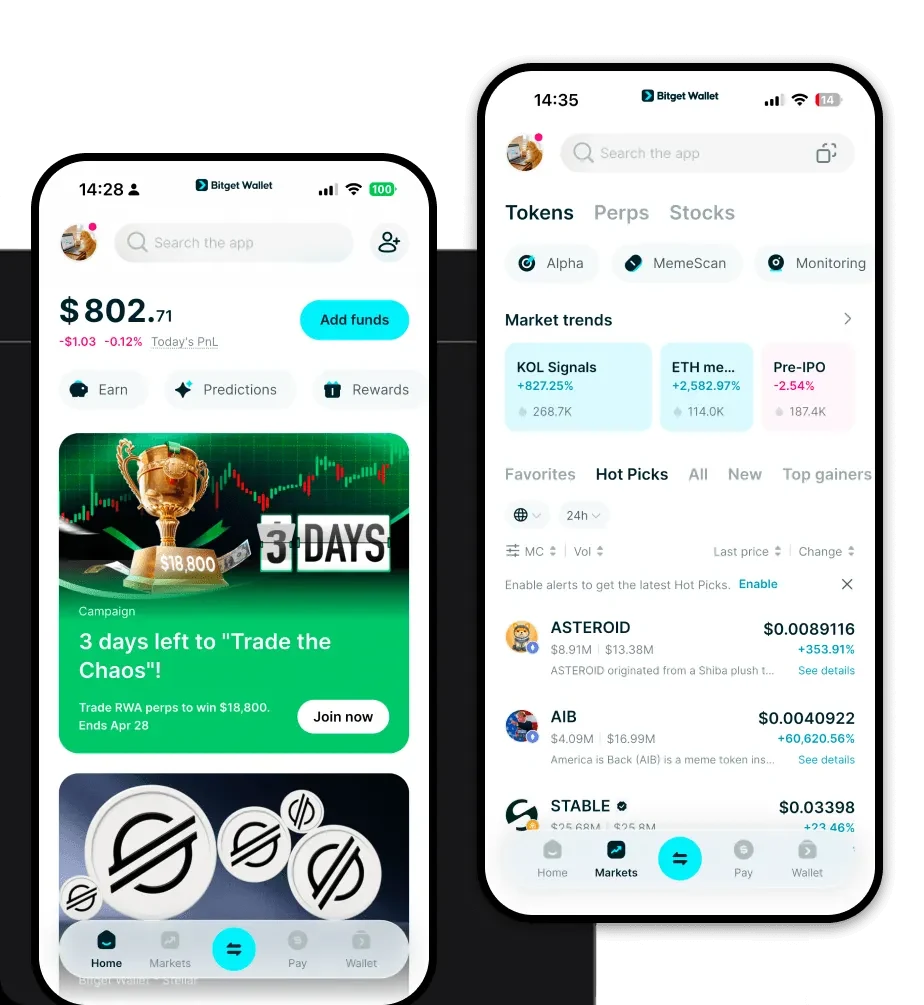


What is a Liquidate Wallet? Liquidate is a cryptocurrency often associated with decentralized finance (DeFi) protocols, particularly those involving lending, borrowing, and liquidation mechanisms. Users looking to manage, trade, or hold Liquidate tokens can utilize secure, multi-chain wallets like Bitget Wallet, which supports a wide range of assets and Web3 exploration. Because Liquidate functions as a DeFi asset, it relies on the EVM (Ethereum Virtual Machine) environment, meaning your Liquidate wallet must be capable of interacting with smart contracts, decentralized exchanges, and various lending platforms seamlessly. Download Bitget Liquidate Wallet To begin managing your tokens, you need the right tool. The Bitget Wallet is widely considered the best wallet for Liquidate due to its comprehensive multi-chain support and commitment to self-custody. Whether you prefer mobile or desktop, the Bitget Liquidate wallet app is available for iOS, Android, and as a browser extension, ensuring you have access to your funds anywhere. You can 'download Bitget Wallet' (https://web3.bitget.com/zh-CN/wallet-download) to get started with a secure, non-custodial experience that puts you in full control of your private keys. Why Choose Bitget Liquidate Wallet? Choosing a wallet for DeFi assets requires more than just storage; it requires an ecosystem. Bitget Wallet provides several distinct advantages for Liquidate holders: - Native EVM Compatibility: Since Liquidate is built on EVM, Bitget provides a native experience that allows for smooth interaction with smart contracts and instant token recognition. - Advanced Asset Security: With a 300 million USD user protection fund, your Liquidate holdings are shielded by industry-leading security protocols, mitigating risks associated with DeFi interactions. - Smart Transaction Routing: The wallet automatically aggregates liquidity from hundreds of DEXs, ensuring you get the best rates when trading or swapping your Liquidate tokens. - Cross-Protocol Interoperability: Easily manage your Liquidate tokens across various bridges and protocols, allowing you to move assets without the friction typically found in manual chain switching. How to Create a Liquidate Wallet Setting up your wallet is a simple process that takes only a few minutes: 1. Download and Install: Visit the official site to install the Bitget wallet app on your mobile device or browser extension. 2. Create New Wallet: Open the app and select the option to create a new wallet. This will generate a unique seed phrase. 3. Secure Your Seed Phrase: Write down your recovery phrase and store it in a safe, offline location. Never share this with anyone, as it acts as the master key to your Liquidate wallet address. 4. Set a Password: Create a strong, unique password for your wallet to add an extra layer of local security. 5. Import or Receive Liquidate: Once your wallet is active, you can import existing tokens or use your Liquidate wallet address to receive funds directly from an exchange or another wallet. What Can You Do With a Liquidate Wallet? Beyond simple storage, a Liquidate wallet acts as your gateway to the DeFi ecosystem. Here is how you can utilize your tokens: - Collateral Management: You can deposit your Liquidate tokens as collateral within lending protocols to secure loans or leverage your position. - Lending and Borrowing: Utilize your holdings to provide liquidity to lending markets, allowing you to earn interest on your idle assets. - Yield Farming: Participate in various yield farming pools to maximize your returns by staking your Liquidate tokens in DeFi protocols. - Governance Voting: Use your wallet to connect to DAOs and participate in governance voting, giving you a say in the future of the Liquidate protocol. - Token Trading: Execute trades directly through the integrated DApp browser to swap Liquidate for other assets without leaving your wallet interface. How Liquidate Wallets Are Different from Other Crypto Wallets Not all wallets handle DeFi assets the same way. While Bitcoin wallets focus on UTXO-based security and long-term storage, a Liquidate wallet operating on the EVM must prioritize the account model. This means your wallet needs to manage gas fees efficiently, track smart contract execution, and maintain a constant connection to the network to monitor liquidations and lending status. Unlike simpler wallets, a Bitget Liquidate wallet is built to handle the high-frequency interactions required for DeFi, ensuring that you can respond to market changes, automate liquidation mechanisms, and manage your positions with speed and precision.