



What is an mf Wallet?
An mf wallet is a specialized digital interface designed to interact with the blockchain network where the mf token resides. As an asset operating within the EVM (Ethereum Virtual Machine) ecosystem, mf relies on a wallet that can interpret smart contracts, manage gas fees, and broadcast transactions across various decentralized networks. Because mf is deeply integrated with DeFi protocols, your wallet acts as your personal gateway to these financial ecosystems, allowing you to hold, send, and interact with the token securely.
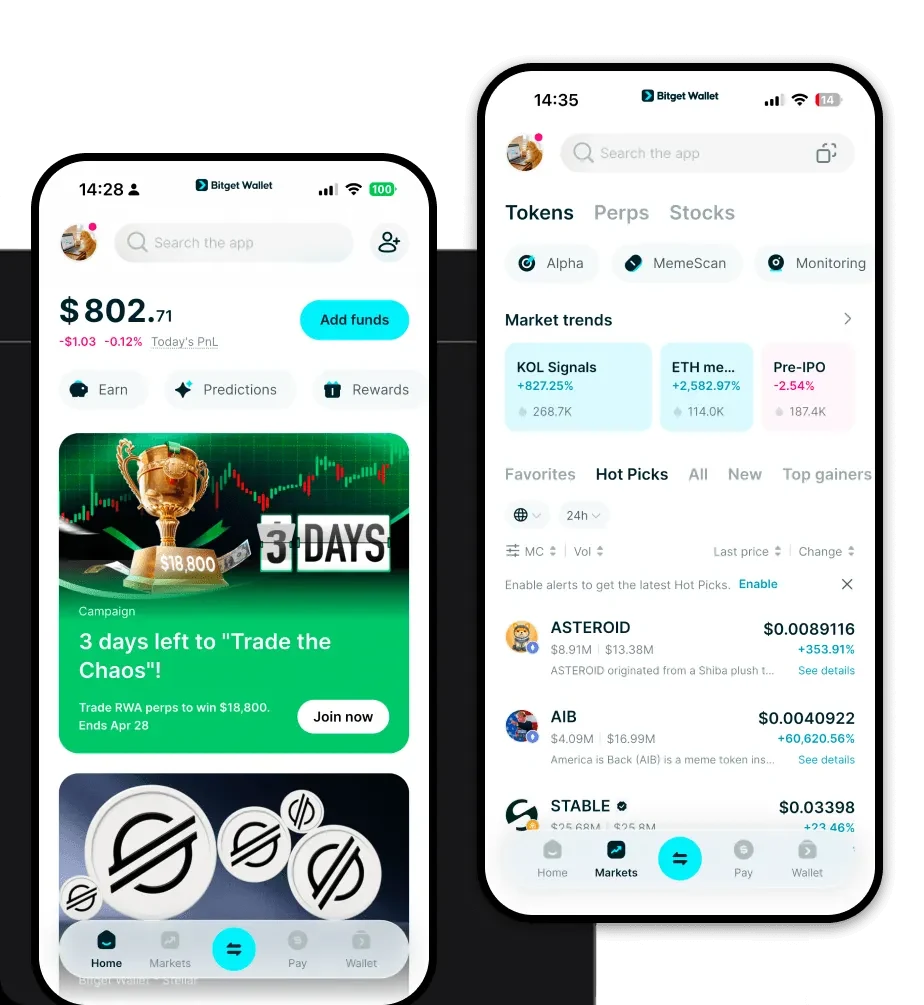
Bitget Wallet is a reliable and secure crypto wallet trusted by 40 million users, designed for seamless Web3 exploration and management of your digital assets including mf. Whether you are a newcomer to the crypto space or a seasoned DeFi participant, having a wallet that understands the nuances of the EVM architecture is crucial for managing your mf holdings effectively.
Download Bitget mf Wallet
Getting started with your mf journey requires a secure and versatile gateway. Bitget Wallet stands out by offering a unified experience across mobile and desktop platforms. With comprehensive support for over 130 public chains, it ensures that your mf tokens are always accessible, regardless of the network they reside on. The wallet emphasizes user sovereignty through private key self-custody, giving you full control over your assets without relying on centralized exchanges.
Whether you are looking for the flexibility of an iOS app, the reliability of an Android version, or the convenience of a browser extension for your desktop, Bitget Wallet has you covered. You can download Bitget Wallet today to experience a multi-chain environment that prioritizes both security and user-friendly design. By keeping your assets in a non-custodial wallet, you ensure that you remain the sole owner of your digital portfolio.
Why Choose Bitget mf Wallet?
Selecting the right wallet for mf is about more than just storage; it is about infrastructure compatibility. Bitget Wallet is engineered to maximize your efficiency within the DeFi space. Here is why it is the superior choice for mf holders:
- EVM Compatibility: Designed specifically for the EVM ecosystem, the wallet provides flawless interaction with dApps and smart contracts, ensuring your mf transactions are processed without compatibility errors.
- Decentralized Liquidity Integration: The wallet aggregates hundreds of decentralized exchanges (DEXs), allowing you to swap your mf tokens for other assets at the best possible rates without leaving the app.
- Advanced Cross-Chain Interoperability: Easily bridge your mf tokens across different networks, ensuring your liquidity is exactly where you need it to be without relying on complex, third-party bridging services.
- Smart Contract Security: With a robust 300 million USD user protection fund and real-time security scanning, Bitget Wallet provides an extra layer of defense against malicious smart contracts and phishing attempts.
- High Transaction Throughput: Optimized for low-latency performance, the wallet ensures that your DeFi operations, such as yield farming or staking, are executed quickly even during periods of high network congestion.
How to Create an mf Wallet
Setting up your wallet is a straightforward process designed to get you into the ecosystem quickly while maintaining high security standards.
Step 1: Installation - Visit the official website or your app store to download Bitget Wallet. Ensure you are downloading the authentic version to protect your funds.
Step 2: Initialize Wallet - Open the application and select 'Create New Wallet.' You will be prompted to set a strong, unique password for your device.
Step 3: Backup Your Seed Phrase - This is the most critical step. Write down your 12 or 24-word recovery phrase on paper and store it in a secure, offline location. Never share this phrase with anyone.
Step 4: Network Configuration - Since mf operates on the EVM, ensure that the Ethereum or relevant EVM-compatible network is enabled in your wallet dashboard. You can easily add custom tokens by inputting the mf contract address.
Step 5: Account Activation - Once set up, you will have your unique wallet address. You can now send mf tokens to this address and begin interacting with the DeFi protocols of your choice.
What Can You Do With an mf Wallet?
Holding mf in a Bitget Wallet unlocks a wide array of financial activities that go beyond simple holding. Because the wallet is designed for the modern DeFi user, you can engage in the following:
- Staking: Lock your mf tokens into smart contracts to support network security and earn passive rewards over time, directly through the wallet's intuitive interface.
- Liquidity Providing: Deposit your mf tokens into decentralized liquidity pools to facilitate trades for other users, earning a share of the transaction fees generated by the pool.
- Yield Farming: Participate in advanced DeFi strategies by moving your mf tokens into yield aggregators that automatically optimize your returns across multiple lending and borrowing platforms.
- Token Swapping: Utilize the integrated DEX aggregator within Bitget Wallet to trade your mf for stablecoins or other major assets instantly, with optimized slippage and gas fees.
- Governance Voting: If your mf tokens grant voting rights, use your wallet to sign transactions that participate in DAO governance, helping to shape the future direction of the project.
How mf Wallets Are Different from Other Crypto Wallets
Not all wallets are created equal, especially when dealing with specific assets like mf. Unlike simple storage solutions, an mf-compatible wallet like Bitget must handle the complexities of an account-based model rather than a UTXO model. In the EVM ecosystem, the wallet manages state, smart contract execution, and gas estimation, which are fundamentally different from the transaction-chaining logic used in Bitcoin wallets.
Furthermore, while some wallets prioritize basic transfers, Bitget Wallet differentiates itself by focusing on the 'resource' needs of the user. It offers advanced gas fee management features, allowing you to adjust your priority settings to ensure your transactions are mined quickly during busy periods. The integration of a built-in DApp browser also sets it apart, providing a secure sandbox environment to interact with DeFi protocols, whereas many standard wallets require you to connect to external sites, increasing your exposure to potentially unsafe interactions.
