





What is a 1Q Wallet?
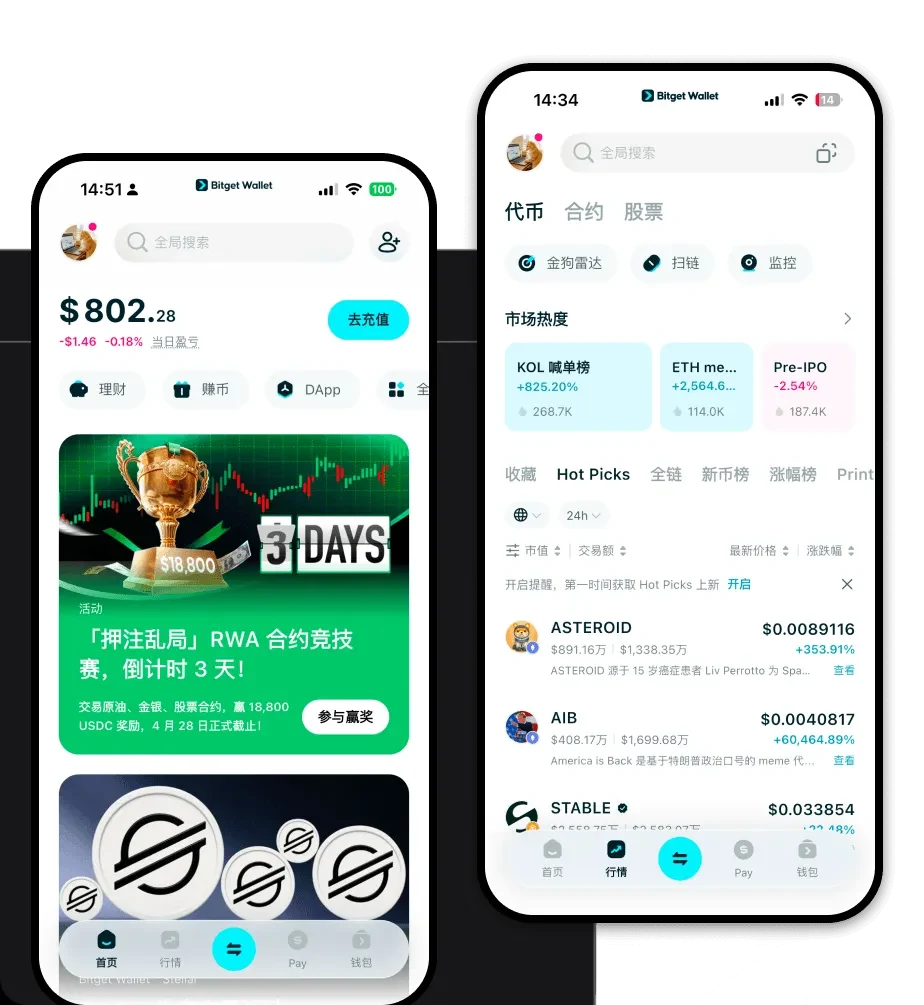
A 1Q wallet is a digital interface designed to interact with the 1Q ecosystem, allowing users to securely store, send, and manage their 1Q tokens on the blockchain. Because 1Q operates on EVM-compatible networks, the ideal wallet must support the Ethereum Virtual Machine (EVM) standard to ensure seamless interaction with smart contracts and decentralized applications. 1Q is a cryptocurrency asset often associated with the 1Q ecosystem. Users looking for a reliable and secure crypto wallet to manage 1Q can utilize platforms like Bitget Wallet, which offers Web3 exploration features, high security standards, and support for a vast range of assets.
Download Bitget 1Q Wallet
To start managing your assets effectively, you need a robust gateway to the Web3 world. Bitget Wallet provides a comprehensive solution for both beginners and experienced traders. It offers full self-custody over your private keys, ensuring that you maintain total control of your funds. Whether you are using an iOS or Android device, or prefer a desktop browser extension, the platform is optimized for performance across all devices. With built-in multi-chain support, you can manage your 1Q tokens alongside hundreds of other assets without switching interfaces. To get started, you can download Bitget Wallet and begin your secure Web3 journey today.
Why Choose Bitget 1Q Wallet?
- EVM Compatibility: As a DeFi-focused token, 1Q requires deep integration with EVM standards. Bitget Wallet ensures native compatibility, allowing for smooth interactions with decentralized exchanges and lending protocols.
- Advanced Security Infrastructure: The wallet utilizes a multi-layered security approach, including the Bitget user protection fund, to safeguard your 1Q assets against potential threats.
- Cross-Chain Interoperability: Easily bridge your 1Q tokens across different chains, enabling you to move your assets to where the highest liquidity or lowest gas fees exist.
- Decentralized Asset Control: Unlike centralized exchanges, Bitget Wallet is non-custodial, meaning your 1Q tokens remain in your personal possession at all times.
How to Create a 1Q Wallet
Creating your 1Q wallet is a straightforward process designed to get you up and running in minutes:
- Install the App: Download the official Bitget Wallet application from the App Store, Google Play, or the official website.
- Create a New Wallet: Open the app and select 'Create a Wallet'. This will generate a new set of private keys.
- Backup Your Seed Phrase: Carefully write down your 12 or 24-word recovery phrase. Store it in a physical, secure location—never share it digitally.
- Set Up Security: Configure your PIN, biometric authentication (FaceID/Fingerprint), or password to add an extra layer of protection to your wallet interface.
- Access Your Address: Navigate to the main dashboard, search for 1Q, and click 'Receive' to copy your wallet address for depositing tokens.
What Can You Do With a 1Q Wallet?
With Bitget Wallet, you can maximize the utility of your 1Q tokens through various DeFi activities:
- Trading: Execute swaps directly within the wallet interface by aggregating liquidity from various DEXs to find the best market rates for 1Q.
- Asset Management: Monitor your 1Q portfolio in real-time, tracking performance and historical data across multiple chains in a single, intuitive dashboard.
- Web3 Interaction: Connect your wallet to diverse DApps and DeFi protocols to participate in decentralized finance without exposing your private keys.
- Secure Storage: Keep your 1Q tokens in a non-custodial environment that prevents unauthorized access, ensuring long-term holding safety.
- Liquidity Provision: Use your 1Q tokens to provide liquidity to decentralized pools, earning potential yield or rewards within the DeFi ecosystem.
How 1Q Wallets Are Different from Other Crypto Wallets
When managing 1Q, the choice of wallet architecture matters significantly. Because 1Q functions within an EVM ecosystem, the wallet must handle account-based models effectively. Unlike Bitcoin wallets which rely on the UTXO (Unspent Transaction Output) model, an EVM-compatible wallet like Bitget is designed specifically to track account balances and manage smart contract interactions. This means the wallet handles gas fees—the transaction costs paid to network validators—more efficiently, ensuring that complex DeFi transactions are processed with precision. Furthermore, while some wallets prioritize basic storage, a specialized 1Q wallet focuses on high-speed interoperability, allowing users to navigate between various DeFi protocols without the friction often found in more rigid, Bitcoin-centric or custodial wallet solutions.
